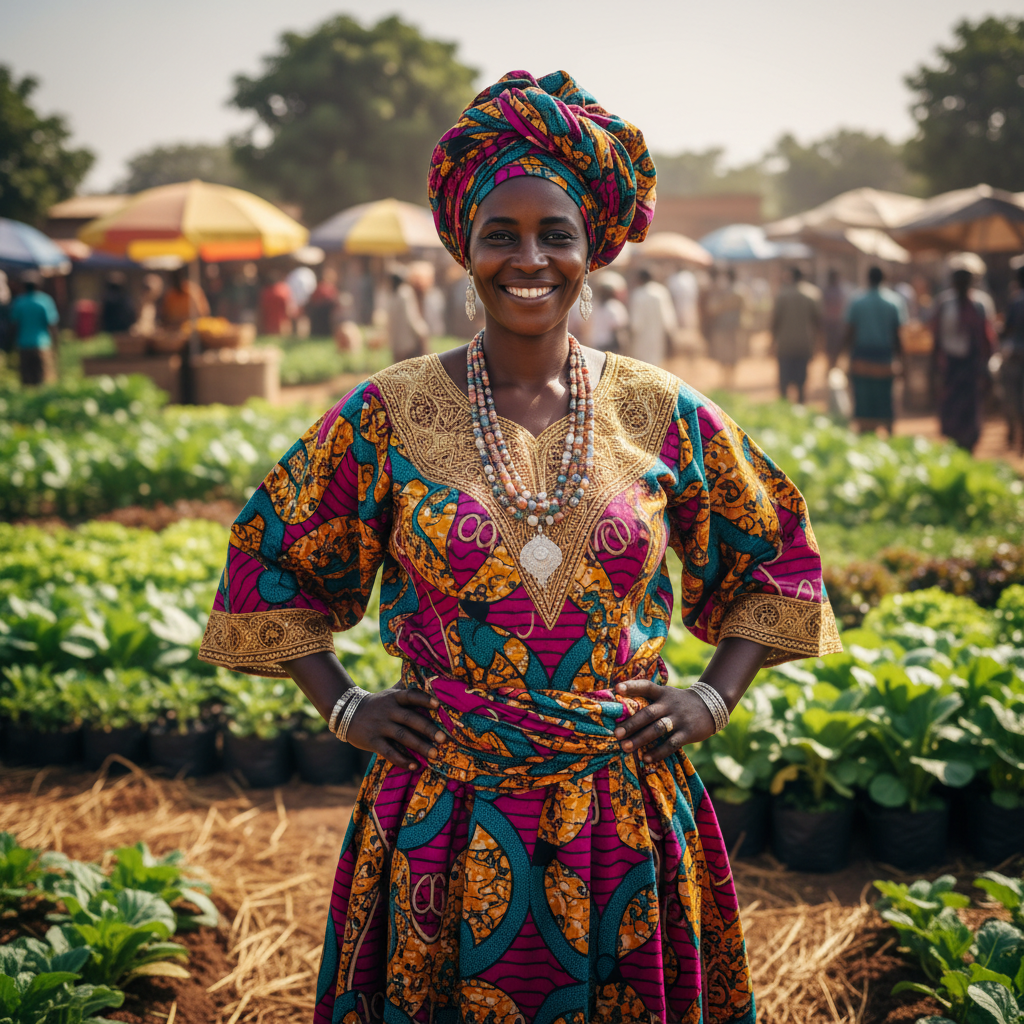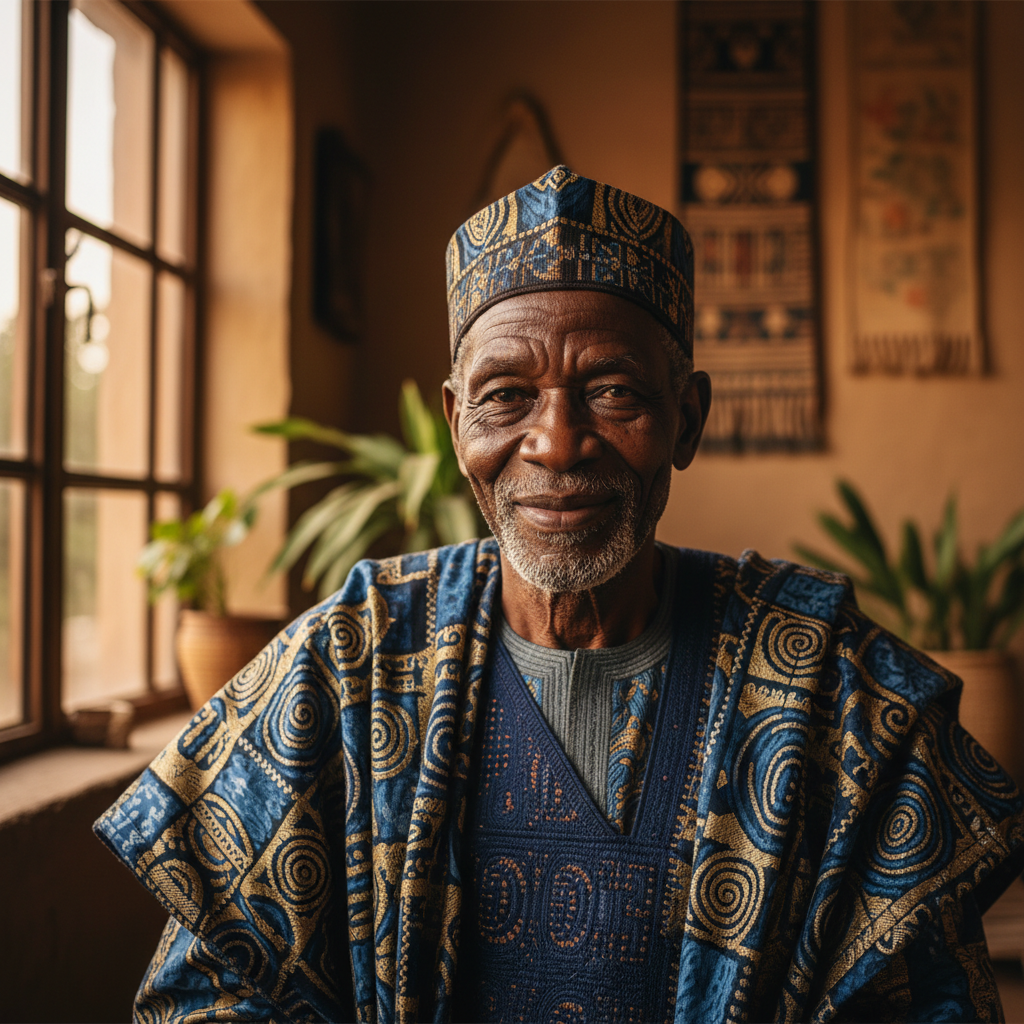


By Amara Diallo, Founder
The morning that
changed everything.
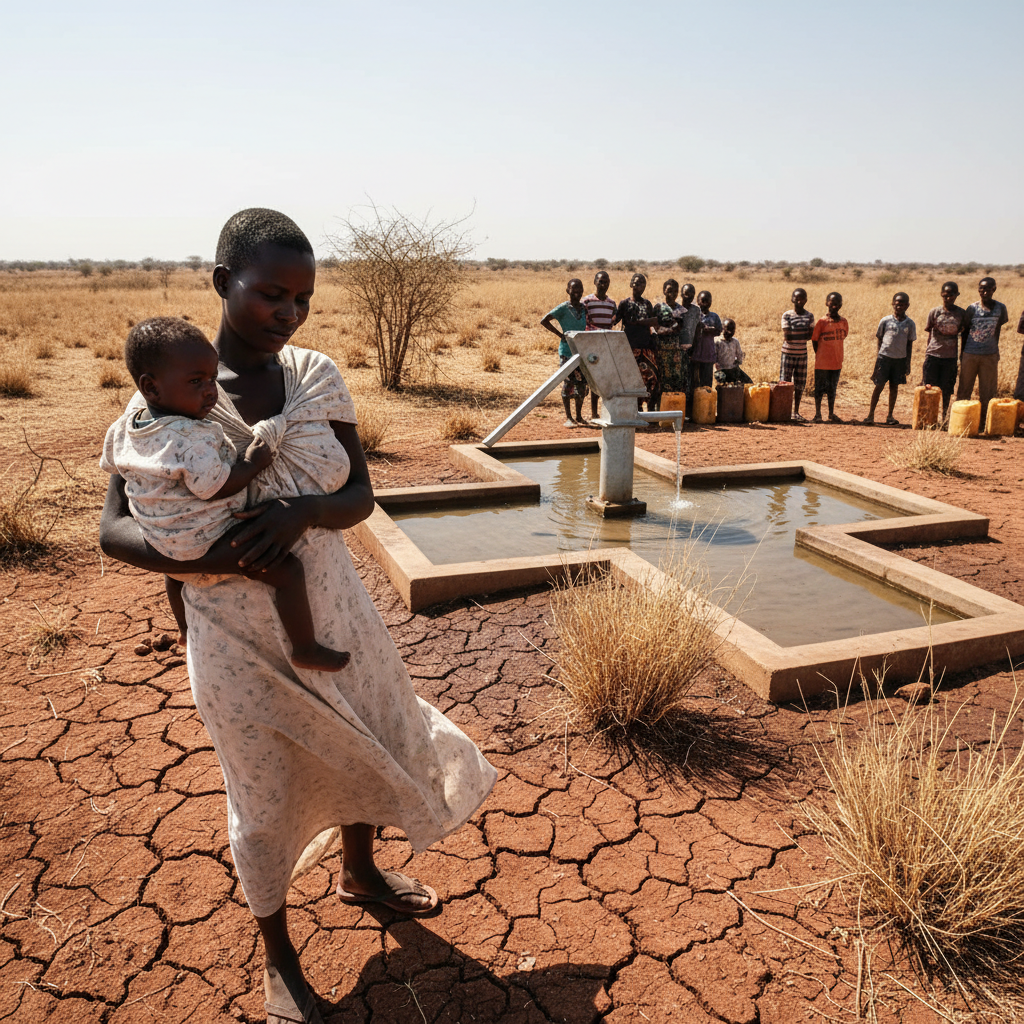
I arrived in Koubri at 4:47 in the morning. Not by choice — the bus from Ouagadougou broke an axle on the N1 and we walked the last eleven kilometres in the dark. I was thirsty. I had been thirsty for hours. And then I saw Fatima.
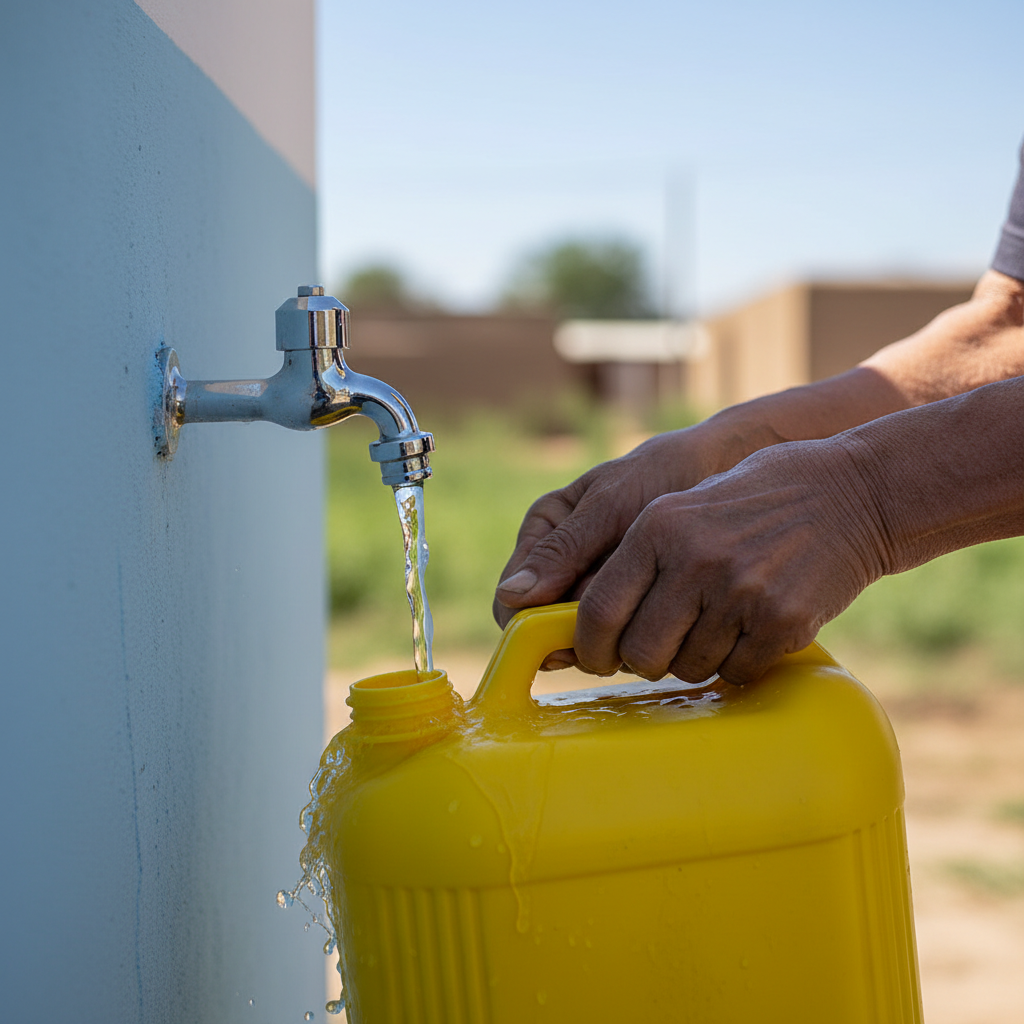
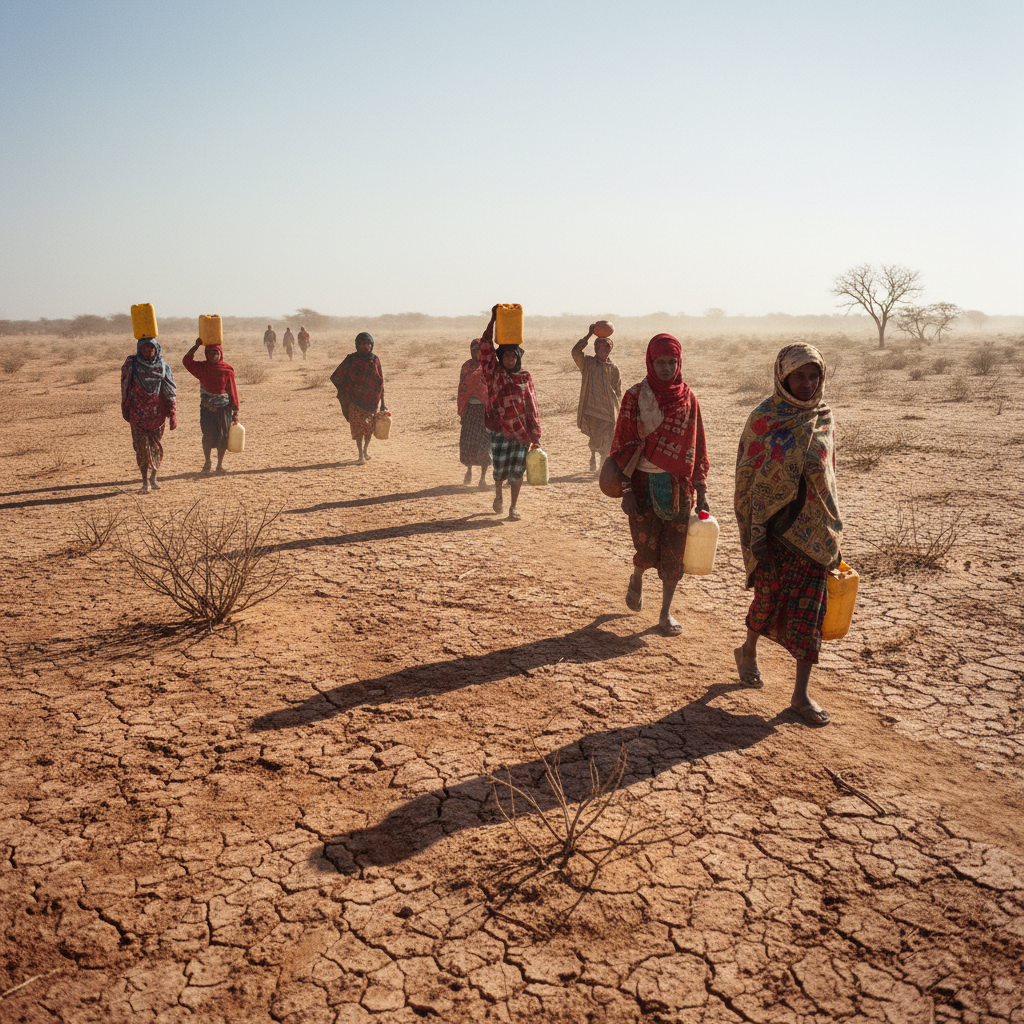
She was eight years old, already dressed for the day in a yellow school uniform, balancing a twenty-litre jerry can on her head with the practiced ease of someone who had been doing it since she was five. She was not going to school. She was going to the wadi — four kilometres there, four kilometres back — to collect water that her mother would boil for two hours before anyone could drink it. By the time she returned, the school gates would be locked.
Her younger brother, Moussa, three years old, had not kept water down in four days. The clinic in the next village had run out of oral rehydration salts. The wadi water, the only water, was the reason he was sick. It was also the only thing available to help him recover.
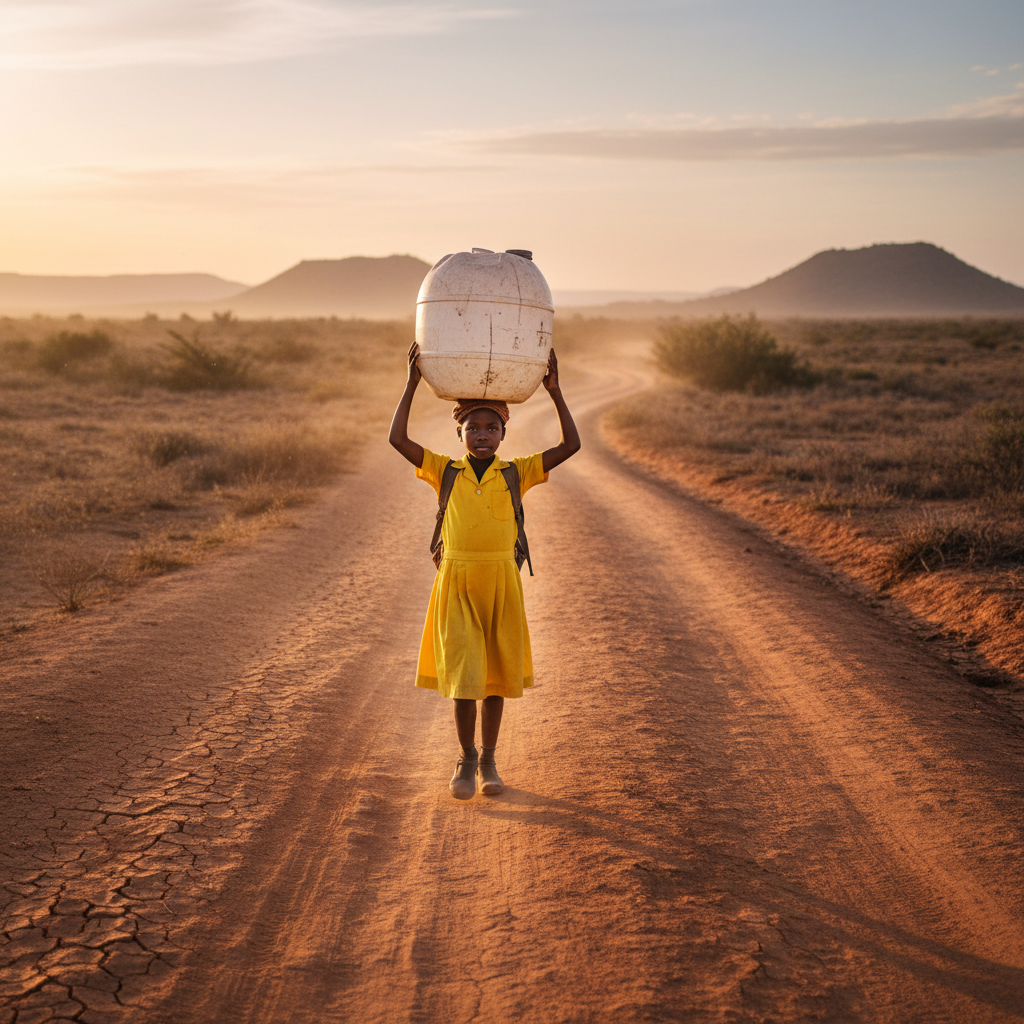
Field photograph
"She had been doing this
since she was five."
Koubri District · Centre-Sud Region
A morning, measured
in kilometres.
Before the gala, before the fundraiser, before any of it — there was a single family's morning. We traced it hour by hour.
Fatima wakes, fills jerry can with remaining water from yesterday
Begins 4km walk to the wadi. Path is unlit. Passes two other families doing the same.
Collects water from the wadi. Shares the source with livestock upstream.
Returns home. School gates close at 7:00. Moussa is still feverish.
Mother begins boiling water. This will take two hours. Breakfast is delayed.
This is not exceptional. In 2018, an estimated 319 million people in sub-Saharan Africa lacked access to a basic water source. Fatima's morning was their morning.
"I decided that night in Koubri that the engineering existed to solve this problem. What was missing was the will — and the funding — to apply it."
— Amara Diallo, Founder, Spring · Koubri, April 2018